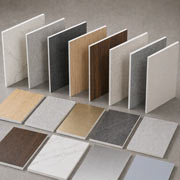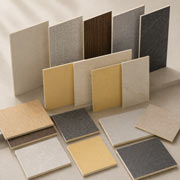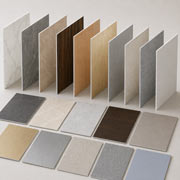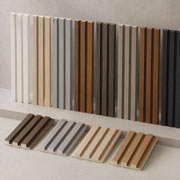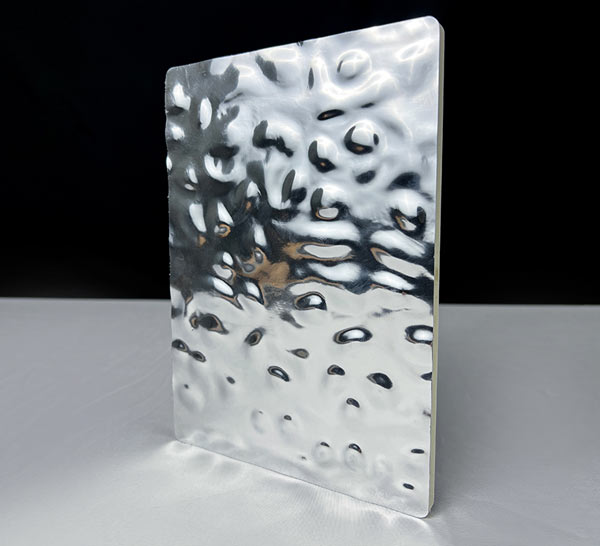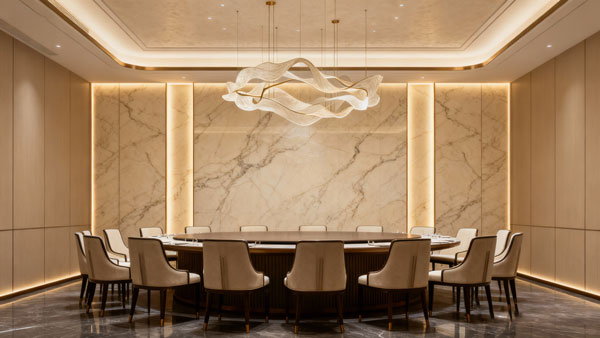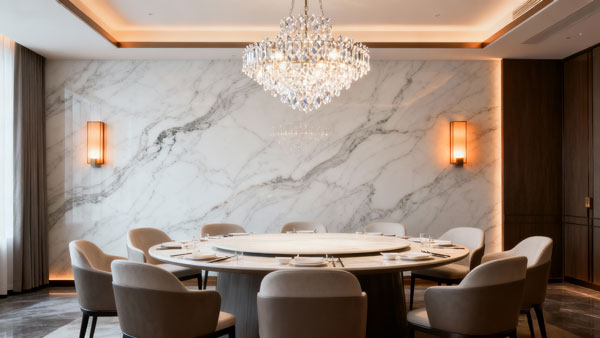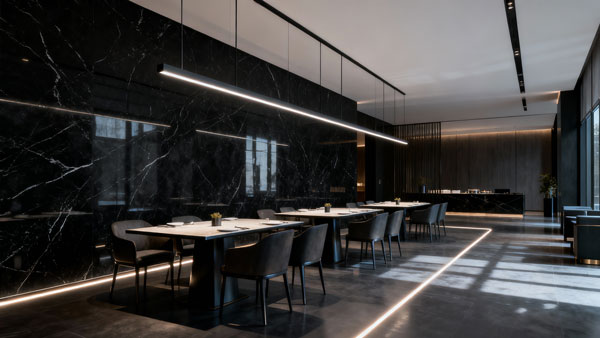
When outfitting a commercial space—whether it's a hotel lobby, office corridor, retail store, or healthcare facility—wall cladding is more than a finishing touch. It defines the atmosphere, protects the structure, and directly impacts your long-term maintenance budget. Two materials dominate the conversation today: PVC wall panels and WPC (Wood-Plastic Composite) wall panels.
Both have loyal followings, but they serve different priorities. Here's an honest, side-by-side breakdown to help you choose the right one for your next commercial project.
What Are PVC Wall Panels?
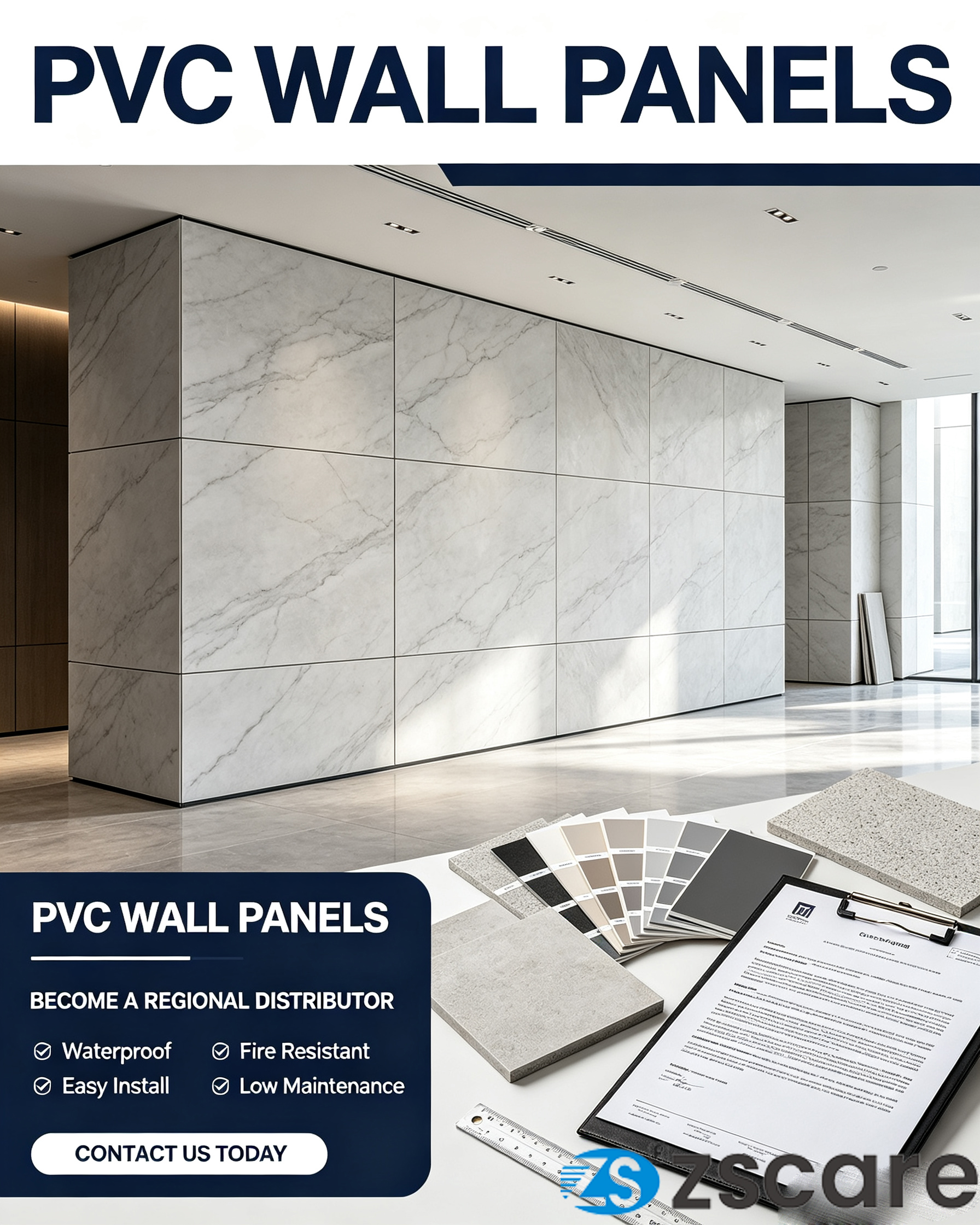
PVC (Polyvinyl Chloride) wall panels are lightweight, hollow-core cladding boards made from rigid PVC resin. They are widely used in bathrooms, kitchens, and high-moisture zones because of their exceptional water resistance and low cost.
Core strengths:
- 100% waterproof—no sealing or coating required
- Lightweight and easy to install, saving labor time
- Lowest upfront material cost among cladding options
- Smooth, easy-to-clean surface with a wide range of colors and patterns
Watch-outs:
- Lower impact resistance—can dent or crack under heavy physical stress
- Thinner profile, less suitable for high-traffic public areas with frequent cart or equipment contact
- Limited acoustic and thermal insulation performance
What Are WPC Wall Panels?
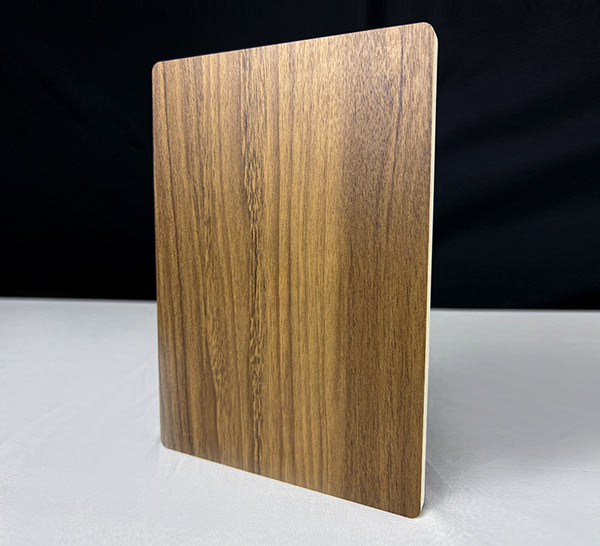
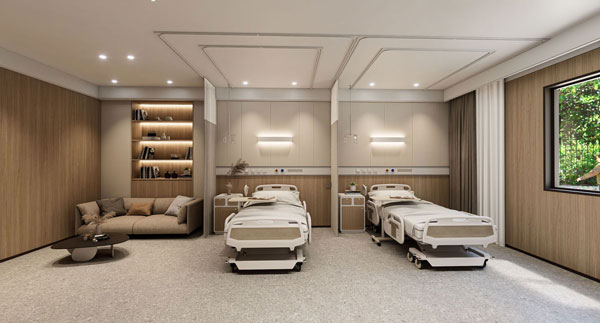
WPC (Wood-Plastic Composite) wall panels combine wood fiber or flour with thermoplastic resin (usually PVC or PE) to create a dense, rigid board that mimics natural wood. They are increasingly specified for lobbies, restaurants, offices, and exterior applications.
Core strengths:
- Higher density and impact resistance—built for busy commercial environments
- Natural wood texture with premium visual appeal
- Better sound insulation and thermal performance
- Superior durability and dimensional stability in changing temperatures
- Recyclable and more environmentally friendly than pure plastic cladding
Watch-outs:
- Higher upfront cost than PVC
- Heavier, requiring slightly more robust framing and installation effort
- Must still avoid prolonged standing water in some low-end grades (quality varies by manufacturer)
Head-to-Head Comparison for Commercial Use
How to Decide: A Practical Guide
Choose PVC wall panels when:
- Your project is budget-sensitive and needs the lowest material cost
- The space has constant, direct water exposure (bathrooms, shower areas, wet kitchens, laundry rooms)
- You need ultra-fast installation to meet a tight deadline
- The area is low-traffic with minimal physical contact (back offices, storage, utility rooms)
Choose WPC wall panels when:
- The space is customer-facing and first impressions matter (lobbies, showrooms, restaurants, hotel rooms)
- Traffic is heavy and panels may face carts, luggage, or equipment impacts
- You want a premium wood aesthetic without the maintenance burden of real wood
- Your project requires better insulation or acoustic performance
- You are planning for a 10+ year lifecycle and want lower total cost of ownership
The Bottom Line
For most commercial projects, WPC wall panels deliver the better long-term value. The higher initial investment pays off through superior durability, premium appearance, and lower replacement frequency—especially in high-traffic, customer-facing spaces.
PVC remains the smart choice where water resistance and budget control are the top priorities, such as wet areas and utility spaces.
Many leading contractors now use a hybrid strategy: WPC for visible, high-traffic zones and PVC for functional wet areas—giving you the best of both worlds at a controlled cost.
Need help choosing the right wall panel solution for your project? Contact our team for samples, technical data sheets, and bulk pricing.