How to Choose the Right Antibacterial Resin Panel Supplier in China
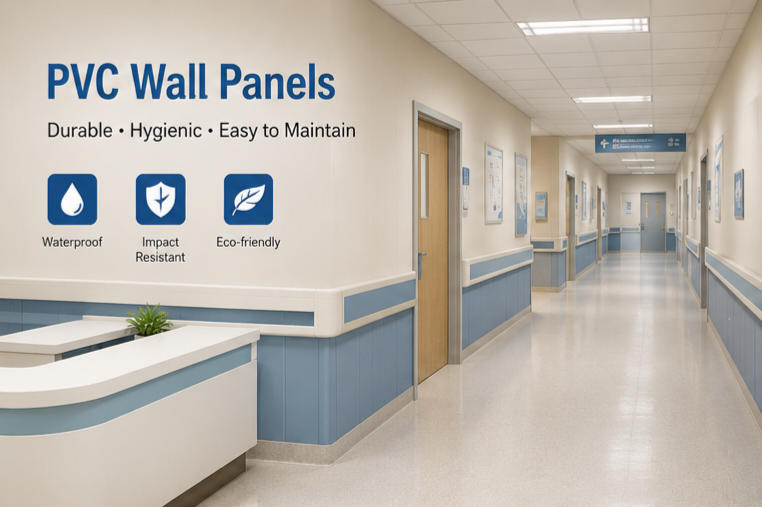
When sourcing antibacterial resin panels from China, price is only one part of the decision. For healthcare facilities, laboratories, nursing homes, schools, commercial buildings, and other high-traffic environments, the right supplier should be able to provide consistent quality, reliable technical support, and stable production capacity.
So, how can international buyers choose the right antibacterial resin panel supplier in China?
1. Check the Panel Material and Construction
The first step is to understand what the panel is actually made of.
Different resin compositions and manufacturing processes can affect impact resistance, moisture resistance, chemical resistance, surface durability, and service life.
A reliable supplier should be able to clearly explain:
Resin and reinforcement materials
Panel thickness and dimensions
Surface treatment
Impact resistance
Moisture and water resistance
Chemical resistance
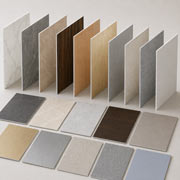
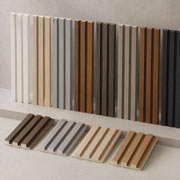
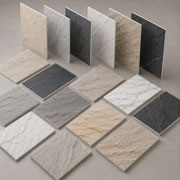
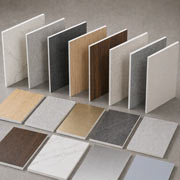
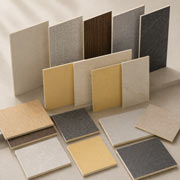
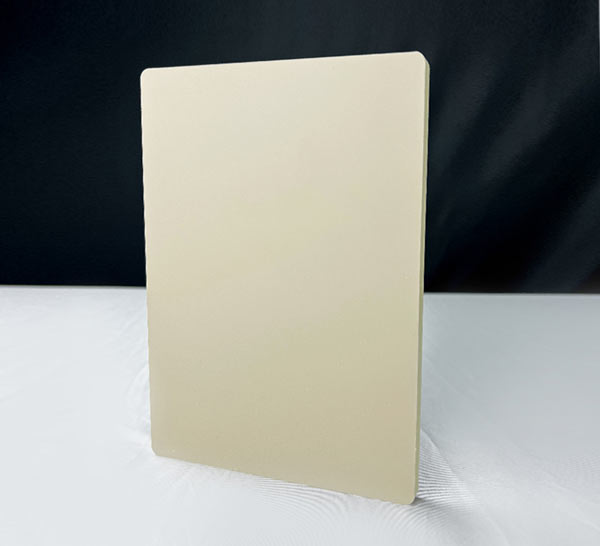
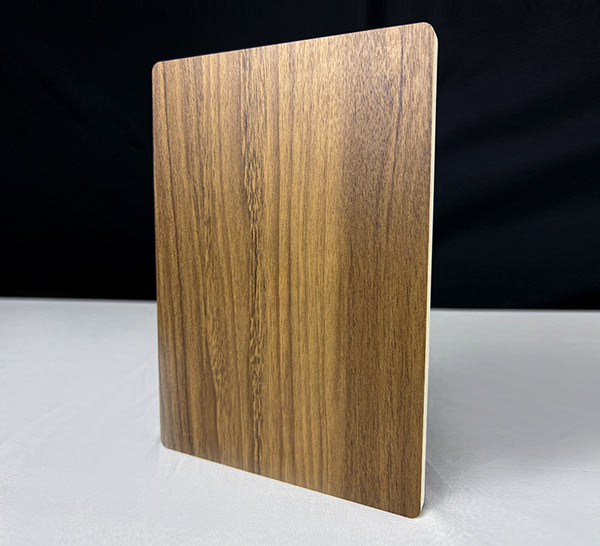
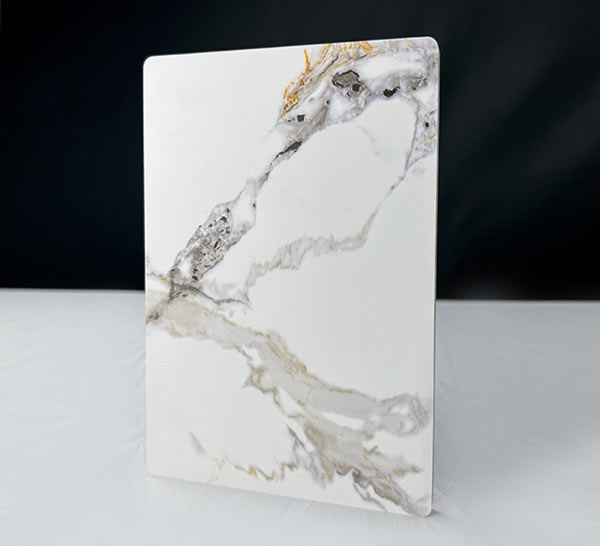
Available colors and finishes
For healthcare and public environments, material consistency is particularly important because panels may be exposed to frequent cleaning and disinfecting.
2. Ask About Antibacterial Performance
“Antibacterial” should not simply be a marketing word.
International buyers should ask the supplier how antibacterial performance is achieved and whether the product has been tested according to recognized standards.
Depending on the application and target market, buyers may need information such as:
Antibacterial test reports
Test methods and standards
Antibacterial performance data
Surface hygiene characteristics
Recommended cleaning procedures
The supplier should be able to provide clear and traceable technical documentation rather than making vague claims.
3. Evaluate Chemical and Cleaning Resistance
In hospitals, clinics, laboratories, and nursing facilities, wall surfaces are regularly cleaned and disinfected.
Therefore, a good antibacterial resin panel should be able to withstand commonly used cleaning agents without significant discoloration, surface damage, or loss of performance.
Before placing a large order, ask the supplier whether the panels have been evaluated for resistance to the cleaning chemicals commonly used in your market.
4. Look at Customization Capabilities
Different projects often require different panel sizes, colors, surface finishes, edge treatments, or installation methods.
A capable manufacturer should be able to offer customization according to project requirements.
Ask about:
For large healthcare or commercial projects, customization can make installation faster and create a more consistent appearance throughout the building.
5. Check Production Capacity and Quality Control
A supplier may provide an attractive sample but still struggle with consistent quality during mass production.
Before choosing a manufacturer, ask about its production process and quality control system.
Important questions include:
How is raw material quality controlled?
How are panel dimensions checked?
How is surface quality inspected?
How are color differences controlled between batches?
How are finished panels packaged for international shipping?
A supplier with a systematic quality-control process is more likely to maintain consistent quality across large orders.
6. Consider Installation and Technical Support
For wall protection projects, the product itself is only part of the solution.
Installation methods, adhesives, joint treatments, trims, corners, and other accessories can affect the final result.
A professional supplier should be able to provide technical information and installation recommendations so that overseas contractors can install the panels correctly.
7. Don't Compare Suppliers on Price Alone
The lowest quotation does not necessarily mean the lowest overall cost.
Buyers should compare the complete package, including:
Material quality
Product performance
Customization
Quality control
Packaging
Lead time
Technical support
After-sales service
A slightly higher unit price may be worthwhile if it reduces installation problems, product defects, replacement costs, and project delays.
Final Thoughts
Choosing the right antibacterial resin panel supplier in China requires more than comparing product catalogs and quotations.
International buyers should evaluate material quality, antibacterial performance, chemical resistance, customization capabilities, production capacity, quality control, and technical support before making a purchasing decision.
For healthcare, commercial, and institutional projects, working with a manufacturer that understands both the product and the application can help reduce sourcing risks and create a more reliable long-term supply chain.
When requesting quotations, provide your required panel specifications, application environment, project quantity, target market, and any testing or certification requirements. This allows potential suppliers to provide a more accurate and useful proposal.