# How to Choose PVC Wall Panels That Meet Hospital Fire Safety Standards for New Renovation Projects
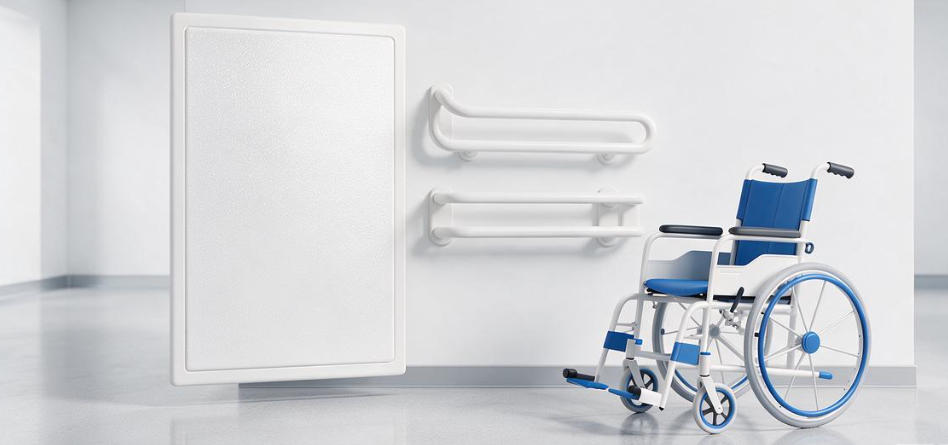
For any hospital new build or renovation project, wall material selection is never just an aesthetic decision — it directly impacts patient safety, staff protection, and whether your project can smoothly pass local building inspection. Among all widely used wall finishing materials, hospital-grade PVC wall panels stand out for their water resistance, easy-to-clean surface, and long service life. But for project managers, facility directors and contractors, the most critical question remains: how to pick PVC wall panels that fully meet strict hospital fire safety standards, without overpaying for unnecessary performance or risking costly rework after inspection?
## Step 1: Start with the exact fire rating requirements for your project location
Fire safety regulations for healthcare facilities are not the same across regions, and using a "one-size-fits-all" PVC panel will almost certainly lead to compliance risks.
- For projects in the EU and UK, you need to confirm the panels meet **EN 13501 B, s3, d0** and BS 476/7 Class 0 standards. These ratings ensure the material has limited flame spread, low smoke production, and no burning droplets that can cause secondary fires in crowded ward areas.
- For North American projects, the baseline requirement for public healthcare spaces is **ASTM E84 Class A**, which restricts flame spread index below 25 and smoke developed index below 450.
- For projects following Chinese national standards, hospital wall panels in general areas should at least reach B1 grade flame retardant, while operating rooms and intensive care units usually require higher non-combustion performance.
A common mistake many contractors make is selecting general commercial PVC panels that only carry a basic "fire resistant" label. These products often cannot provide full official test reports covering flame spread, smoke toxicity and dripping performance — exactly the three key items local fire inspectors will focus on during site checks.
## Step 2: Verify complete, traceable third-party test documentation
Any reliable PVC wall panel supplier for hospital projects should be able to provide full, valid third-party certification documents, not just vague marketing claims. Before you place a bulk order, ask to confirm these details:
1. The fire test report must be issued by an accredited independent laboratory, not an internal test document from the factory itself
2. The report should clearly list all required parameters: flame spread rate, smoke density level, combustion gas toxicity, and whether there is molten dripping during burning
3. Confirm the certification is still within its valid period, and the product model on the report exactly matches the SKU you are ordering
Many low-cost generic PVC panels use recycled raw materials with extra additives, which may appear to meet basic fire ratings on surface tests, but will produce large amounts of toxic smoke when exposed to real fire scenarios — a hidden danger that puts patients with limited mobility at extremely high risk.
## Step 3: Balance fire safety with other non-negotiable hospital requirements
Fire performance should never come at the cost of the core healthcare functions your wall panels need to deliver. The ideal hospital-grade PVC wall panel should check all these boxes at the same time:
- It maintains full anti-bacterial performance even after flame retardant modification, with over 99% antibacterial rate against common hospital-acquired infection bacteria
- The panel surface can withstand repeated wiping with common hospital disinfectants including 75% alcohol, iodophor and chlorine-based cleaners, without fading or surface degradation
- It keeps 100% waterproof and mold-resistant performance, suitable for high-humidity areas such as operating room washrooms, central sterile supply departments and public shower rooms
- The interlocking installation system can be finished 4 times faster than traditional drywall, helping you shorten the whole renovation cycle and reduce disruption to normal hospital operations
This is where many low-cost products fall short. They add excessive flame retardant fillers to meet basic fire test requirements, but the panel becomes brittle, easy to crack under daily impact from medical trolleys and stretchers, and cannot maintain a long stable service life.
## Step 4: Work with suppliers who have proven hospital project experience
The safest way to avoid fire compliance risks is to partner with a supplier who has delivered hundreds of successful healthcare renovation projects in your region, instead of buying generic PVC panels from a general building material marketplace. An experienced hospital PVC panel supplier can:
- Provide you with reference projects in similar local medical facilities, so you can check the actual installation effect and post-operation performance on site
- Pre-cut all panel openings for handrails, medical gas outlets and electrical sockets before delivery, reducing on-site modification work that may damage the panel's fire-resistant structure
- Offer clear fire safety installation guidelines, including recommended adhesive types and sealing materials, to make sure the whole wall system meets the required fire rating, not just the panel itself
- Provide long-term after-sales support and certification document updates, to help you deal with any future fire safety audit for the hospital facility
## Final Checklist Before You Sign the Purchase Order
Before you confirm your PVC wall panel supplier for the hospital renovation project, run through this quick 4-point check: ✅ The product has full third-party fire certification that matches your local healthcare building code ✅ The fire test report covers all required parameters: flame spread, smoke toxicity and dripping performance ✅ The panels still meet hospital-level anti-bacterial, chemical resistance and impact resistance requirements ✅ The supplier can show clear references of completed local hospital projects
Choosing the right fire-safe PVC wall panels for hospital renovation is not about chasing the highest possible fire rating at any cost. It is about finding a properly certified, well-balanced product that meets all your local regulatory requirements, while delivering long-term hygiene, durability and real total cost savings for the hospital.