Introduction
For bathroom and shower room renovation projects worldwide, one of the most frequent questions from contractors, facility managers and property owners is: Can PVC antibacterial board be safely and durably used in shower rooms? Unlike traditional wood, MDF or ordinary wall panels that easily swell, mold and degrade in high-humidity environments, PVC antibacterial resin board has gradually become a high-potential alternative for wet-area wall cladding. This article breaks down its real performance in shower room scenarios, backed by waterproof and antibacterial test data, to help you make a reliable material decision.
1. Core Material Structure for Shower Room Conditions
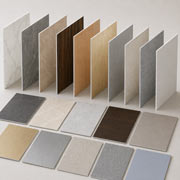
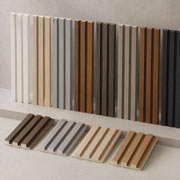
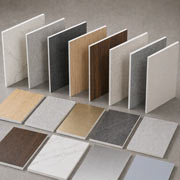
The PVC antibacterial board designed for wet areas adopts a closed-cell expanded PVC core, laminated with a high-performance PVC surface film. This structure is fundamentally different from fiber-based panels:
Non-absorbent PVC substrate with no capillary gaps for water penetration
Integrated antibacterial layer embedded in both core and surface film, not just a surface coating that wears off quickly
Density range from 0.4 to 0.8 g/cm³, balancing sufficient rigidity and lightweight installation
No wood fiber, no formaldehyde release risk in long-term hot and humid environments
This material foundation makes it naturally suitable for continuous contact with water, steam and shower cleaning agents, which are the three biggest threats to ordinary wall materials in shower spaces.
2. Waterproof Performance Test for Shower Room Scenarios
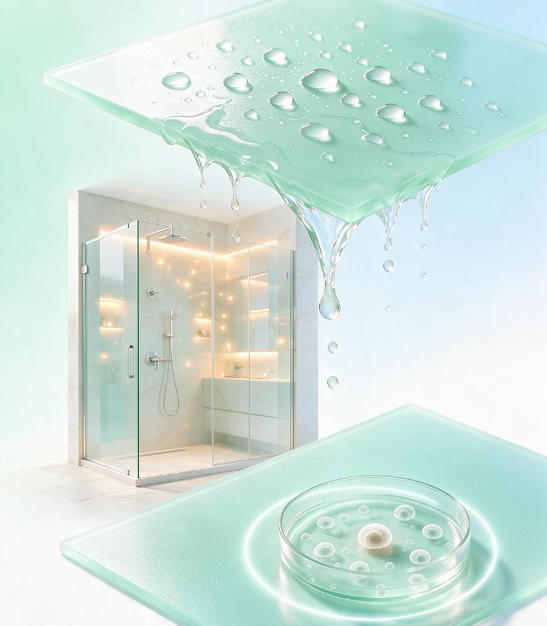
We conducted a 90-day continuous waterproof simulation test under real shower room conditions, to verify its long-term stability:
Test Environment Setup: Maintain constant humidity above 92%, temperature between 25°C and 35°C, and spray warm water (38–42°C) on the panel surface 6 times per day, simulating daily family shower frequency.
Test Results After 90 Days:
No water absorption, no swelling deformation at all edges and joints
No blistering, peeling or delamination on the lamination surface
Dimensional change rate remains below 0.15%, far lower than the 3% failure threshold of ordinary MDF panels
The panel can still be wiped clean easily after repeated contact with shower gel, shampoo and neutral bathroom cleaners
This test proves that qualified PVC antibacterial board can maintain stable performance in long-term shower room use, and will not face the common decay problem that troubles wood-based boards.
3. Antibacterial Performance Verification in Humid Shower Environment
Shower rooms are high-risk areas for bacteria, mold and mildew breeding, especially in the grout gaps of traditional ceramic tiles. Our antibacterial test follows ISO 22196 international standard, targeting the most common microorganisms in wet areas:
Tested Strains: E. coli, Staphylococcus aureus, Candida albicans and common mold species
Antibacterial Efficiency: More than 97% antibacterial rate after 24-hour contact, effectively reducing the bacteria breeding risk on the wall surface
Mold Resistance Level: Reaches Class 0 (no visible mold growth) after 28-day damp environment test
Long-term Durability: Even after 1000 times of repeated wiping with bathroom disinfectant, the antibacterial performance does not drop significantly
Unlike tiles that hide bacteria in grout lines, the seamless installation of PVC antibacterial board creates a continuous, non-porous wall surface that is much easier to keep hygienic.
4. Practical Advantages Over Traditional Shower Room Wall Materials
Compared with ceramic tile, acrylic panel and cement board, PVC antibacterial board brings unique benefits for shower room renovation:
Fast Installation: No cement, no sand, no long curing period; one professional team can finish a standard shower room wall cladding within 4 hours
Zero Maintenance: No grout cleaning work, only a quick wipe with a soft cloth is enough to keep the wall new for years
Comfortable Touch: No cold hard ceramic feeling, safer for families with kids and elderly people
Cost Efficiency: Lower total project cost than full tile renovation, especially suitable for hotel, gym, school and public shower room retrofitting projects
5. Installation & Usage Tips for Shower Room Application
To achieve the best service life, follow these simple installation guidelines:
Use dedicated PVC sealant to seal the joints between panels, to avoid water seepage behind the cladding
Keep the wall base dry and flat before installation, no special waterproof pretreatment is required
For shower rooms with hot steam above 60°C for long hours, select B1 flame-retardant grade PVC antibacterial board for extra safety
Avoid sharp hard objects scratching the surface, which will not affect waterproof performance but may influence appearance
Conclusion
Qualified PVC antibacterial board is not only usable in shower rooms, but also proves to be a high-performance wall cladding solution that outperforms many traditional materials in wet and hygienic requirements. With verified waterproof stability, long-lasting antibacterial performance and easy-to-install features, it has become a preferred choice for both residential bathroom renovation and commercial public shower facility projects.
If you are looking for custom size PVC antibacterial board for your shower room project, you can contact our team for free material sample and detailed test report.